
Refillable Home Essentials Spotlight
A Gentle Starting Point for Confident, Low-Waste Swaps

Rebuilding the Cleaning Caddy with Durable Reusables
Kitchen and Pantry Systems That Make Refilling Second Nature
Bulk Dry Goods with Clear Jars and Honest Labels
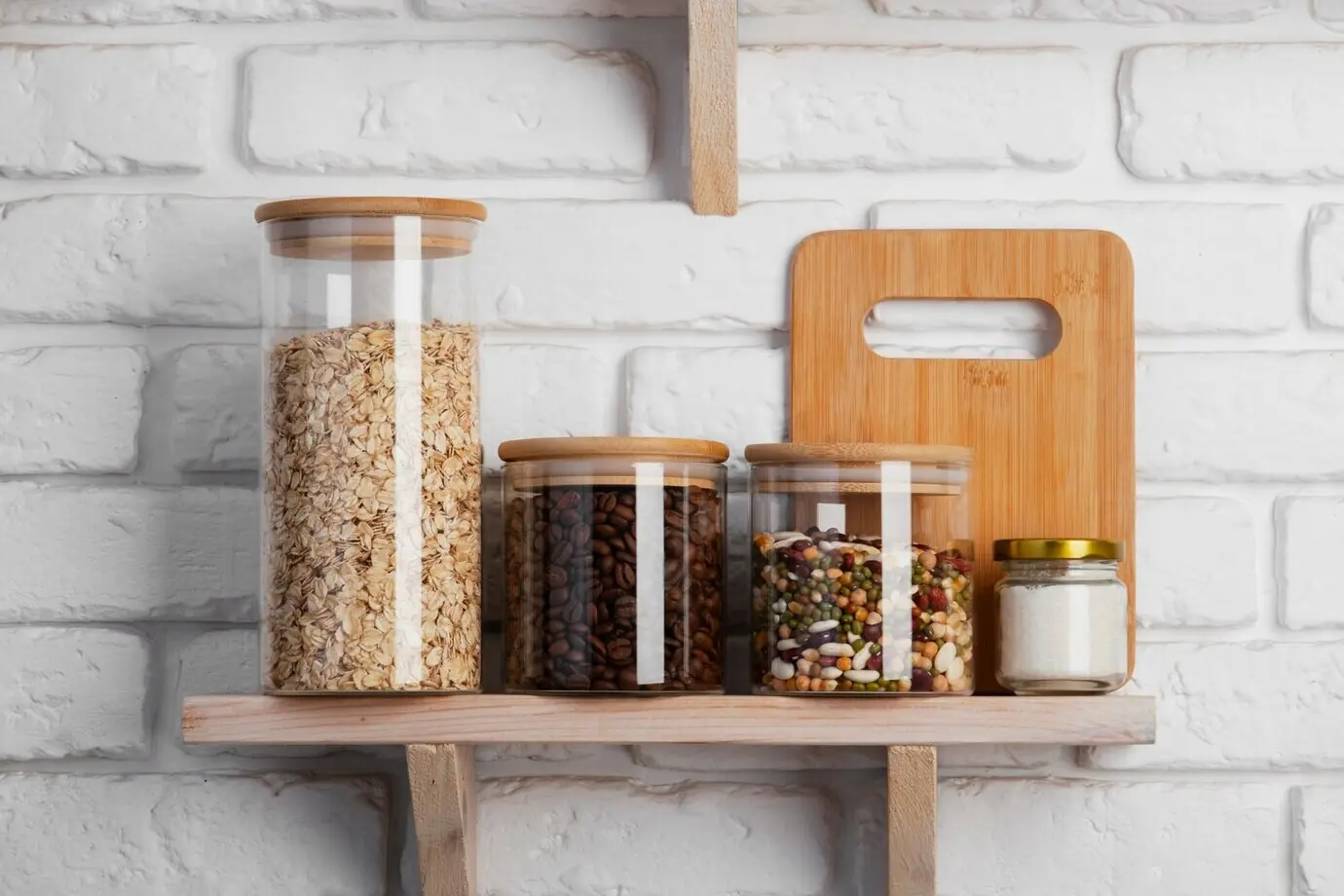
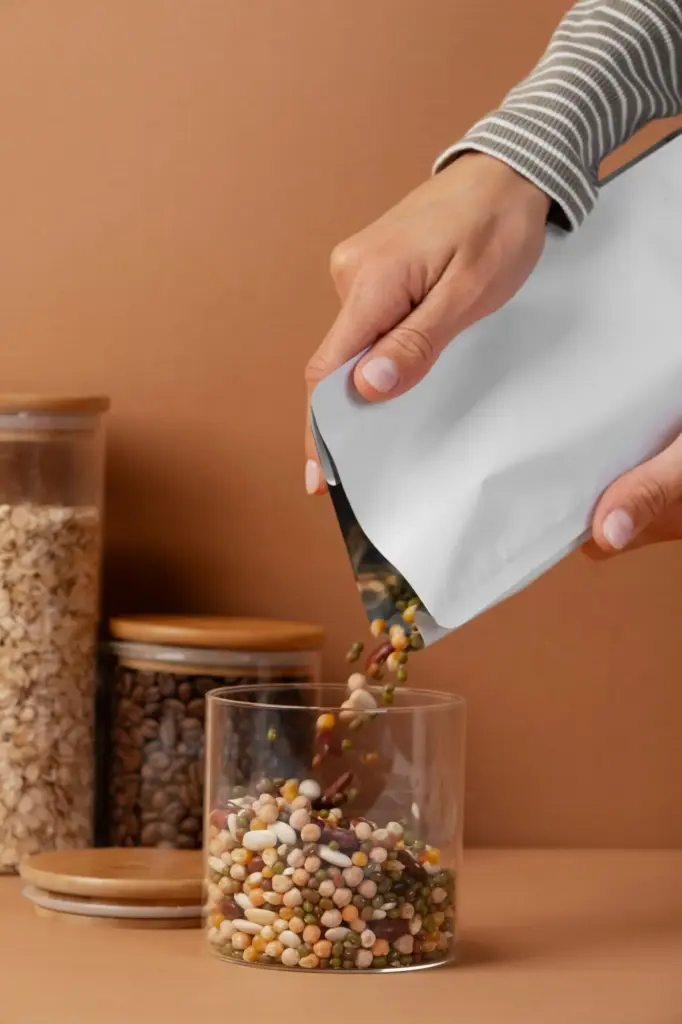
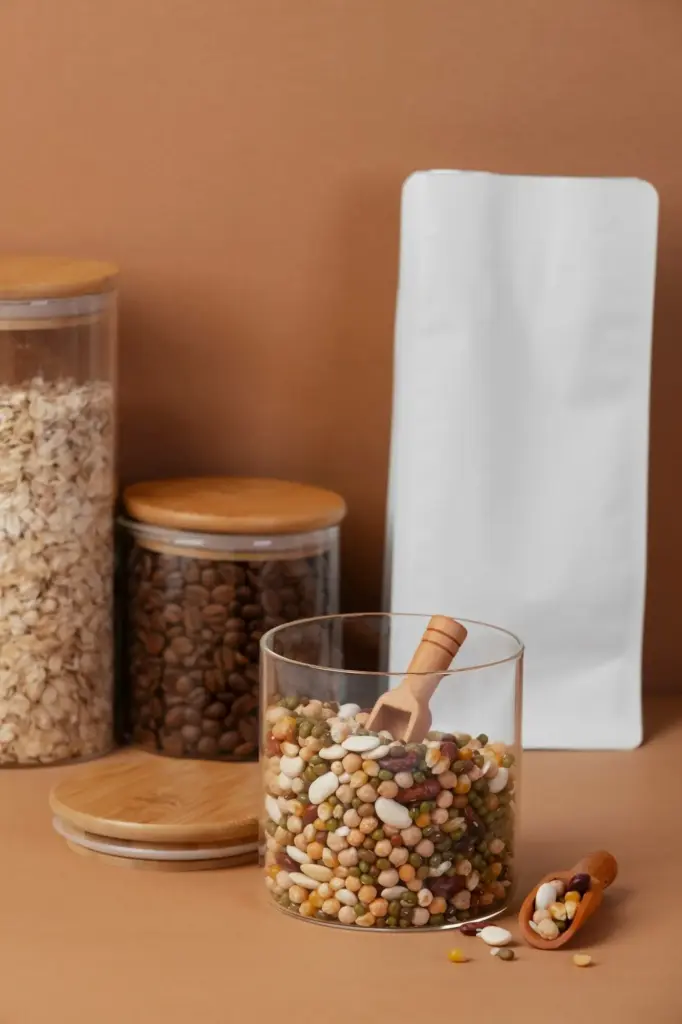
Switching to bulk oats, rice, beans, and snacks works best when you can see everything at a glance. Use glass or metal containers with tight seals, and label contents, cook times, and refill dates. Keep one scoop per jar to reduce cross-contamination. Photograph your pantry before you shop so you buy only what fits. Ask family members to note favorites and rotate new items to keep curiosity high. Share your best label layout to inspire others planning their first pantry overhaul.
Refill Stations for Oils, Vinegar, and Everyday Condiments
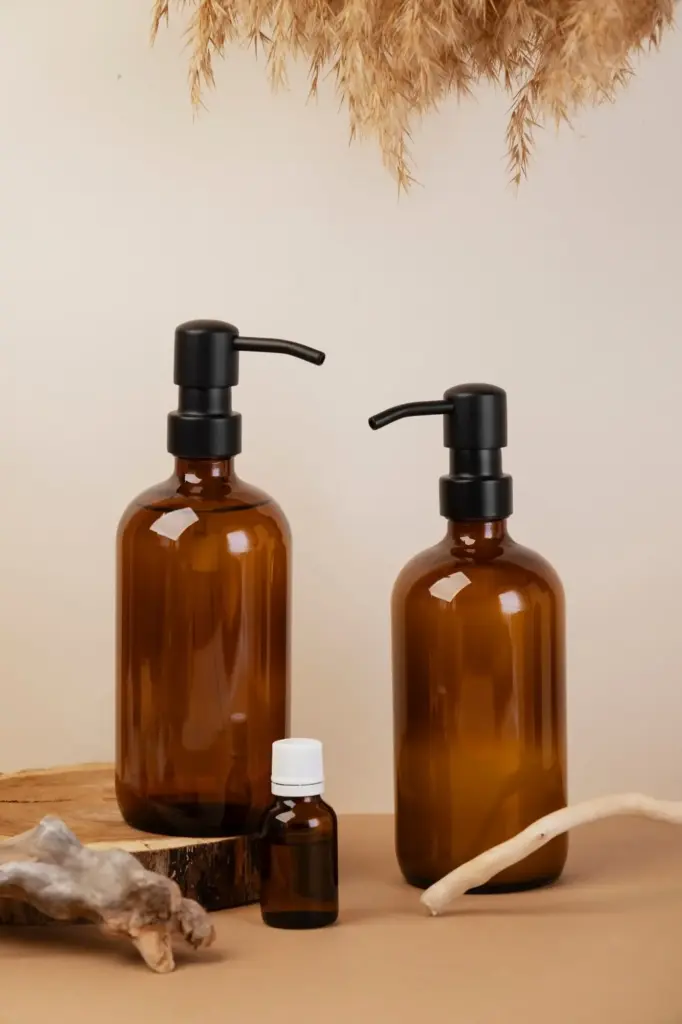
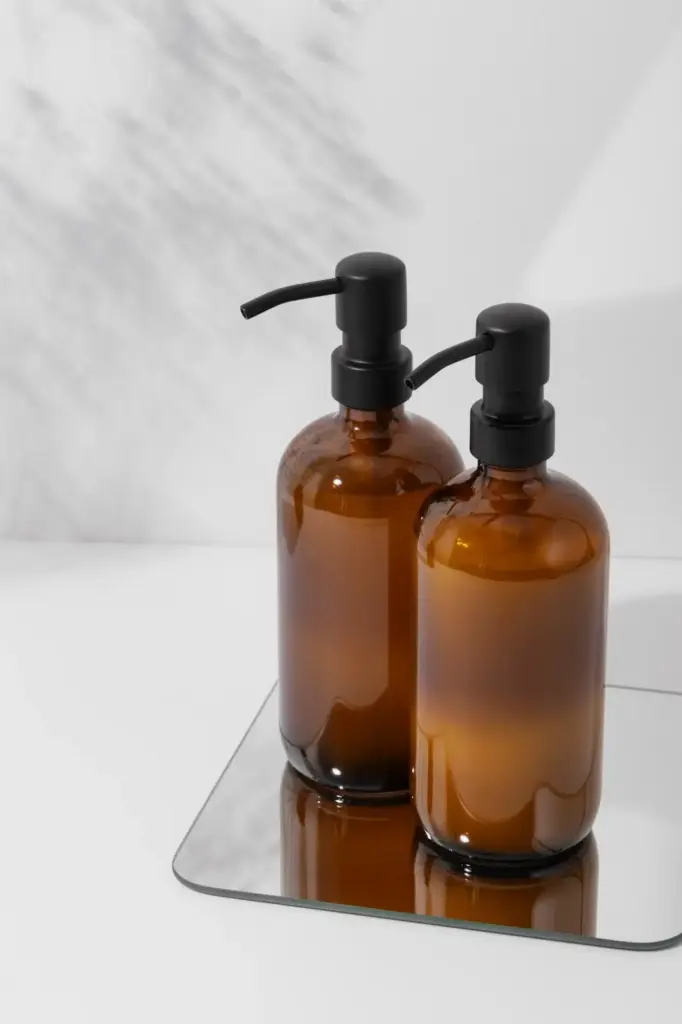
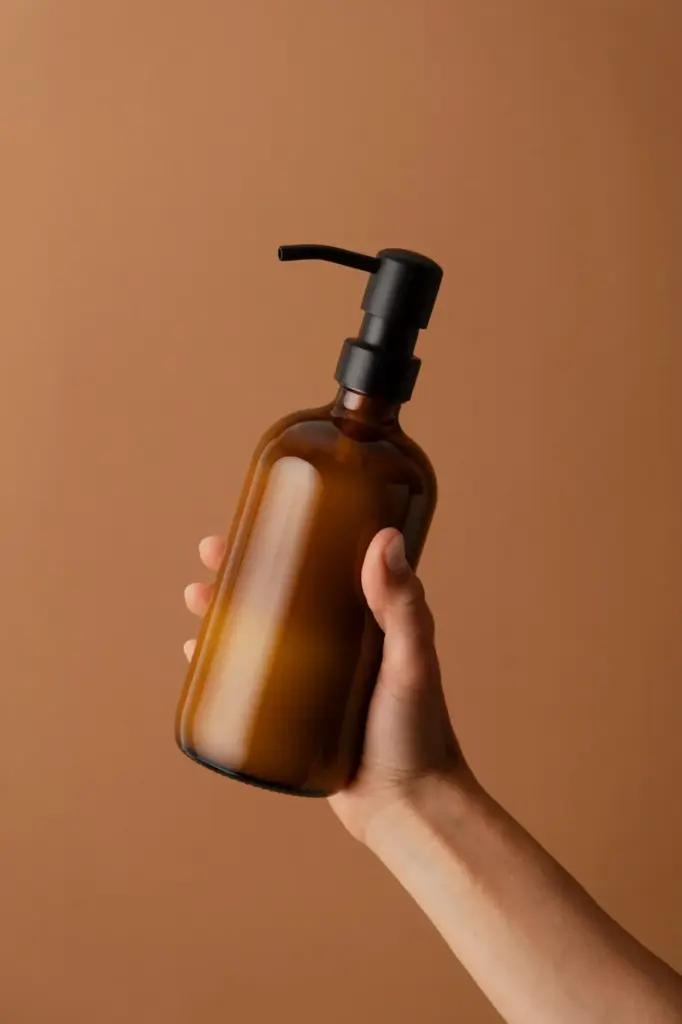
Create sturdy refill stations with drip-free spouts for olive oil, neutral oils, vinegar, and soy sauce. Choose darker bottles for light-sensitive liquids, and store them away from heat. Note brand, origin, and decant date on removable labels. Keep a microfiber towel nearby for quick wipe-downs. Compare taste between refill sources, and track which shops maintain freshness best. Invite readers to share trusted vendors and price-per-liter insights so everyone benefits from collective testing rather than guesswork and inconsistent quality.
Bathroom Routines Upgraded with Refillable Comfort
Materials, Labeling, and Hygiene That Keep Systems Safe

Glass, Aluminum, or Recycled Plastic: Matching Form to Function
Each material brings strengths. Glass resists staining and looks elegant but is heavier. Aluminum protects light-sensitive products and feels sturdy. Recycled plastics reduce breakage risk and travel easily. Choose based on room, product acidity, and who uses it. Add silicone sleeves for grip and protection. Share any durability surprises you’ve experienced, like aluminum lids that outlast pumps or glass that tolerates temperature shifts. Your observations help others pick containers once, not repeatedly replace them after frustrating failures.
Labels You’ll Actually Read and Update
Each material brings strengths. Glass resists staining and looks elegant but is heavier. Aluminum protects light-sensitive products and feels sturdy. Recycled plastics reduce breakage risk and travel easily. Choose based on room, product acidity, and who uses it. Add silicone sleeves for grip and protection. Share any durability surprises you’ve experienced, like aluminum lids that outlast pumps or glass that tolerates temperature shifts. Your observations help others pick containers once, not repeatedly replace them after frustrating failures.
Sanitizing Rituals That Protect People and Products
Each material brings strengths. Glass resists staining and looks elegant but is heavier. Aluminum protects light-sensitive products and feels sturdy. Recycled plastics reduce breakage risk and travel easily. Choose based on room, product acidity, and who uses it. Add silicone sleeves for grip and protection. Share any durability surprises you’ve experienced, like aluminum lids that outlast pumps or glass that tolerates temperature shifts. Your observations help others pick containers once, not repeatedly replace them after frustrating failures.
Real Savings, Lower Footprints, and Community Momentum
All Rights Reserved.