Order in Every Bottle, Clarity on Every Label
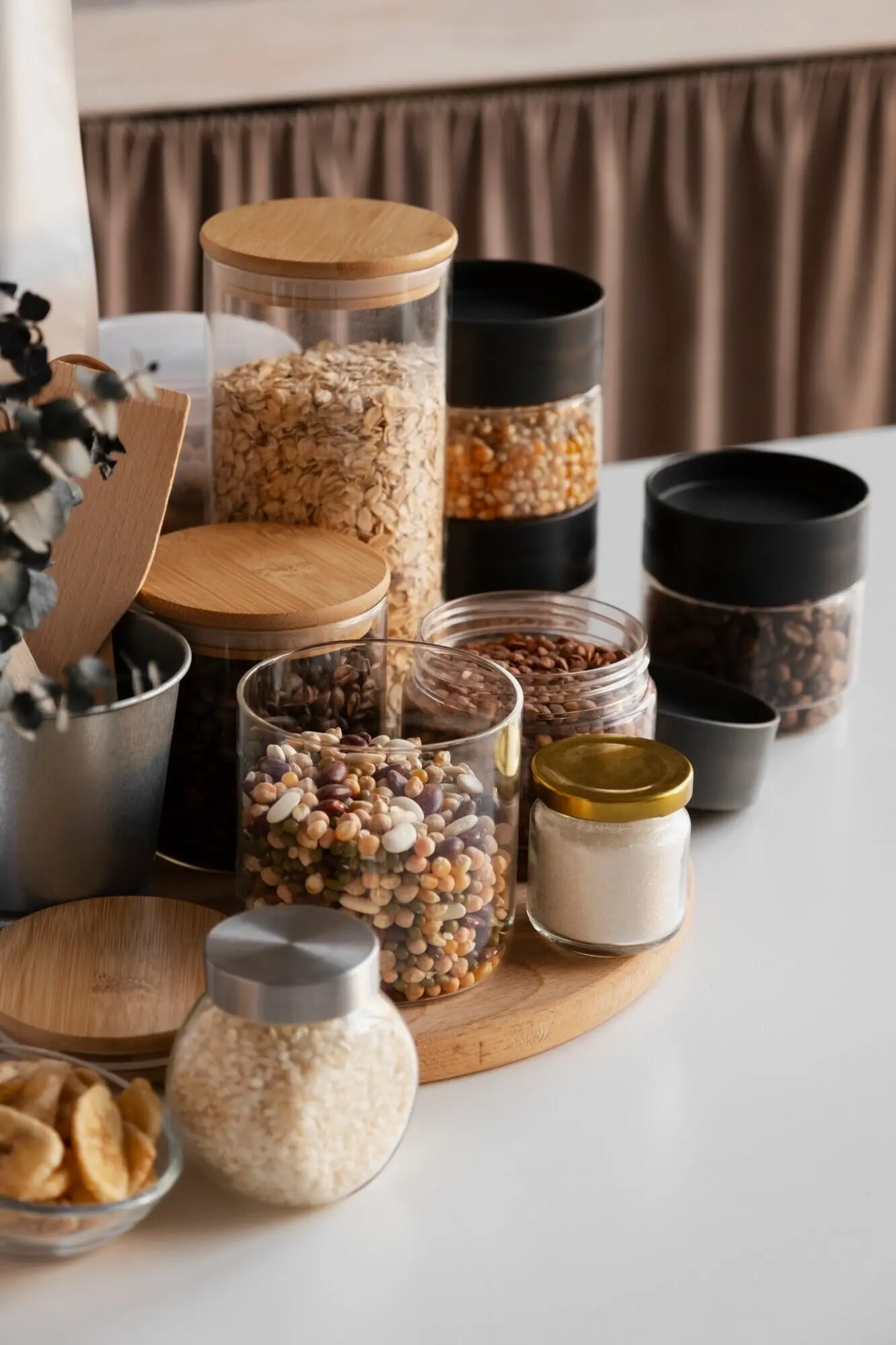
Welcome—today we’re diving into best practices for storing and labeling home refill containers, from pantry staples and soaps to concentrated cleaners and DIY blends. You’ll set up safer spaces, choose compatible materials, create durable labels, and build routines that save time, prevent spills, and keep families informed. Along the way, we share evidence-based tips, quick wins, and real household stories that make organization feel calm, sustainable, and delightfully repeatable.

Set Up a Calm, Spill‑Proof Refill Zone

Start by carving out a small, reliable decanting area where messes are unlikely and cleanups are effortless. A stable work surface, bright lighting, absorbent mats, and a dedicated tray create a predictable flow that keeps containers steady, labels readable, and your focus sharp. Thoughtful placement saves minutes each week, reduces cross‑contamination, and invites the whole household to participate with confidence and care.

Materials That Protect What You Pour

The right container material preserves quality, prevents leaching, and keeps labels legible. Glass excels with acids and oils, HDPE handles many cleaners and bleaches, PET works for mild products, and stainless steel resists impact and light. Match viscosity, pH, and sensitivity to light or oxygen with compatible materials. Choosing wisely avoids clouding, softening, pressure buildup, and costly product loss over time.

Know Your Plastics and Glass

HDPE tolerates many alkaline cleaners and hypochlorite solutions, while PET is clear and lightweight but dislikes solvents and aggressive essential oils. Amber glass shields light‑sensitive formulas and cleans easily without retaining odors. Borosilicate glass resists thermal shock. Understand trade‑offs: glass breaks, plastics scratch, metal hides fill levels. Compatibility charts and small trials prevent cracks, leaks, and heartbreaking label smears.

Match Ingredients to Containers

Store bleach only in opaque, vented HDPE; avoid metals that corrode. Vinegar and citric acid live happily in glass or HDPE. Essential‑oil concentrates prefer glass or specific solvent‑resistant plastics. Hydrogen peroxide degrades with light, so amber and darkness help. Syrupy detergents benefit from wide mouths. Leave headspace for expansion, especially with carbonating, off‑gassing, or temperature‑sensitive blends that can build pressure unexpectedly.

Labels That Survive Kitchens and Bathrooms

Great labels are readable, water‑ and oil‑resistant, and consistent. Prioritize content name, dilution or strength, date opened, source, expiration or best‑by, and simple safety cues. Use high‑contrast fonts, durable materials, and inks that won’t bleed. Add QR codes linking to recipes or safety sheets. With consistent placement and color coding, anyone can find, refill, and return containers without confusion or delay.

Storage That Safeguards and Simplifies

Store containers where temperature, light, moisture, and access make sense. Cool, dark, and dry conditions preserve sensitive ingredients and labels. Separate incompatible chemicals, keep food and cleaners apart, and ventilate areas that house concentrates. Use trays for secondary containment and shelves that prevent tipping. With a labeled home for every bottle, you’ll locate items faster and reduce accidental messes or risky combinations.

Cool, Dark, and Dry Wins

Light speeds degradation for hydrogen peroxide, certain enzymes, and fragrances. Heat accelerates separation and pressure, while humidity weakens adhesives. Choose low shelves away from ovens, radiant sunlight, and showers. Amber containers plus a shaded cabinet protect contents and labels alike. If condensation appears, add desiccant packs and improve airflow. Minor environmental tweaks dramatically extend shelf life and keep handwriting crisp and readable.

Separate What Shouldn’t Meet

Keep chlorine bleach far from ammonia or acids to prevent dangerous gas formation, and never store oxidizers beside solvents or essential‑oil concentrates. Dedicate one shelf to food refills and another to household cleaners, using dividers to reinforce boundaries. Clear signage and color‑coded bins help guests and kids return items properly. This simple separation practice protects health, extends product stability, and prevents regrettable reactions.

Trays, Totes, and Shelves

Use low‑lip trays under bottles to capture drips and protect cabinetry. Sturdy, labeled totes group refills by use—laundry, dish, bath—and travel easily to work surfaces. Shelf risers reveal shorter bottles, while non‑slip liners keep glass steady. If earthquakes or rambunctious pets are concerns, consider bottle straps or guard rails. These humble helpers transform cluttered corners into reliable, resilient storage that stays tidy.

Clean Transfers, No Cross‑Contamination

A reliable cleaning routine keeps containers and labels spotless while preserving product integrity. Wash, rinse, sanitize, and air‑dry completely before refilling. Dedicate tools by category, and never top off unknown leftovers. Record dilution ratios and dates so the next refill is easy to repeat. Small, consistent habits prevent odd smells, film buildup, separated layers, and the guesswork that leads to waste.

The Three‑Step Clean

Rinse out residue with warm water, wash with a mild detergent using a bottle brush, then rinse until clear. Sanitize with 70% isopropyl alcohol or a food‑safe sanitizing solution, ensuring full contact time. Air‑dry upside down on a clean rack to avoid lint. This dependable cycle removes biofilm, protects fragrances, and creates a neutral baseline for accurate labels and trustworthy refills.

Dedicated Tools and Codes

Assign blue funnels to laundry, green to dish and hand soaps, and red to oxidizers, then mark those colors on a small tool caddy. Replace worn gaskets and pumps, and label spare parts by size. A tiny initials‑and‑date code on tools helps track sanitation cycles. This gentle discipline avoids flavor and scent transfers, supporting consistent results every time you pour and mix.

Safety for Families and Pets

Safety grows from visibility, access control, and simple language. Combine child‑resistant closures, high storage for concentrates, and labels that explain hazards in plain words. Post emergency numbers and quick first‑aid steps near your refill zone. Ventilate when handling strong products, and lock up anything reactive. With predictable habits, everyone can help while understanding boundaries that keep curiosity from becoming danger.

Make Hazards Visible, Not Scary

Use friendly, clear labels that pair a small pictogram with a sentence like “Irritating—wear gloves, avoid eyes.” Add a QR code to a trusted safety sheet for full details. A bright stripe on caps signals caution. When risks are obvious and instructions short, kids and visitors follow rules more readily, turning safety from a secret into a shared, reassuring household practice.

Child‑Resistant Habits That Work

Place strong concentrates above adult shoulder height or inside a latched cabinet, and keep only diluted, clearly labeled solutions within everyday reach. Store step stools elsewhere to discourage exploration. During refills, close containers between steps. One parent’s tweak—moving citrus solvent to a locking tote—ended curious sniffing and prevented spills, all without drama. Guardrails like these protect independence while keeping everyone safe.

Track, Refill, and Celebrate Progress

Simple Systems Beat Fancy Apps

Start with a two‑column list: item and “refill when less than.” Add a date column only if it helps. If you love digital, a shared note with checkboxes or a lightweight spreadsheet works beautifully. Complexity isn’t necessary; visibility is. When your list lives where you refill, decisions feel easy, momentum grows, and you stop buying extras “just in case” that clutter shelves.

The Monthly Mini‑Audit

Once a month, spend fifteen minutes scanning shelves, wiping sticky spots, and updating dates. Flag low items, note any label wear, and replace anything peeling. This cadence is short enough to keep, long enough to matter. Over time, you’ll catch slow leaks, retire underperforming containers, and refine placement. Small, steady improvements compound into a system that feels effortless and remarkably trustworthy.

Share, Learn, and Iterate

Snap a photo of your setup and ask friends what they’d change, or share it with our community for thoughtful feedback. Swap printable label templates, compare dilution recipes, and trade storage wins. Drop a comment with your trickiest product, subscribe for new checklists, and tell us what to test next. Shared curiosity keeps learning alive and pushes every refill station forward.
Rezoloporikufilote
Privacy Overview

This website uses cookies so that we can provide you with the best user experience possible. Cookie information is stored in your browser and performs functions such as recognising you when you return to our website and helping our team to understand which sections of the website you find most interesting and useful.