


Turn Everyday Refills into Lasting Change

Today we dive into Setting Up a Zero-Waste Refill Station in Your Home, turning an ordinary household corner into a practical engine of stewardship and calm. We will map the space, select containers that actually work, source dependable refills, and build habits you can sustain. Expect fewer disposables, fewer frantic last‑minute runs, and a ritual that feels grounded. Share your questions, wins, and photos in the comments so our community can learn from your layout, storage hacks, and creative sourcing.

A Corner That Changes Everything

Begin by claiming a spot that invites consistency—somewhere visible enough to remind you, yet tidy enough to encourage calm. A small table, pantry shelf, or laundry nook works beautifully. Prioritize level surfaces, nearby water or a sink if handling liquids, and a tray or mat to catch spills. Think through lighting, reachability, and pathways so refilling becomes simple, satisfying, and safe for everyone, including kids who want to help and learn mindful routines.

Containers That Earn Their Keep

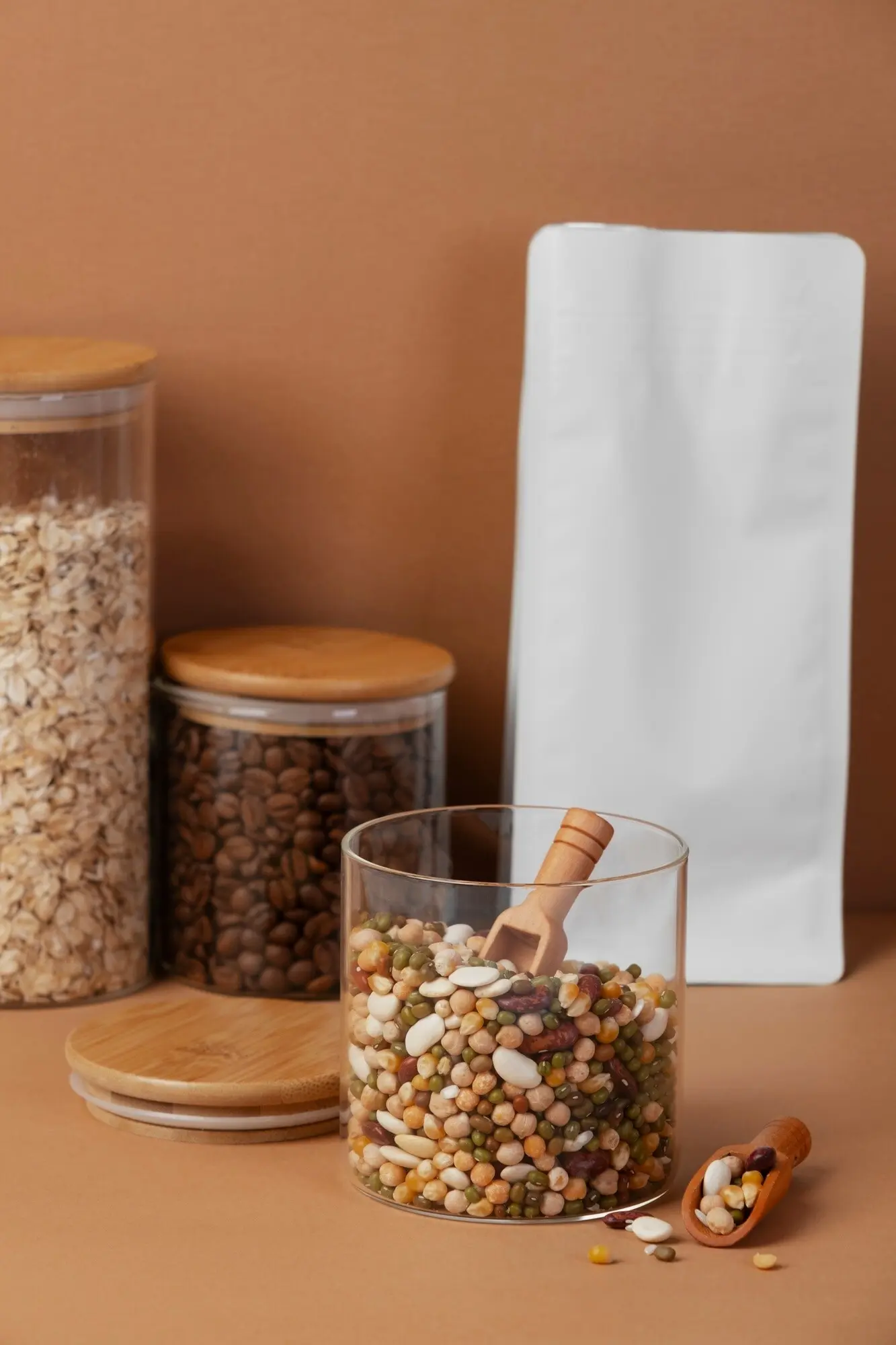
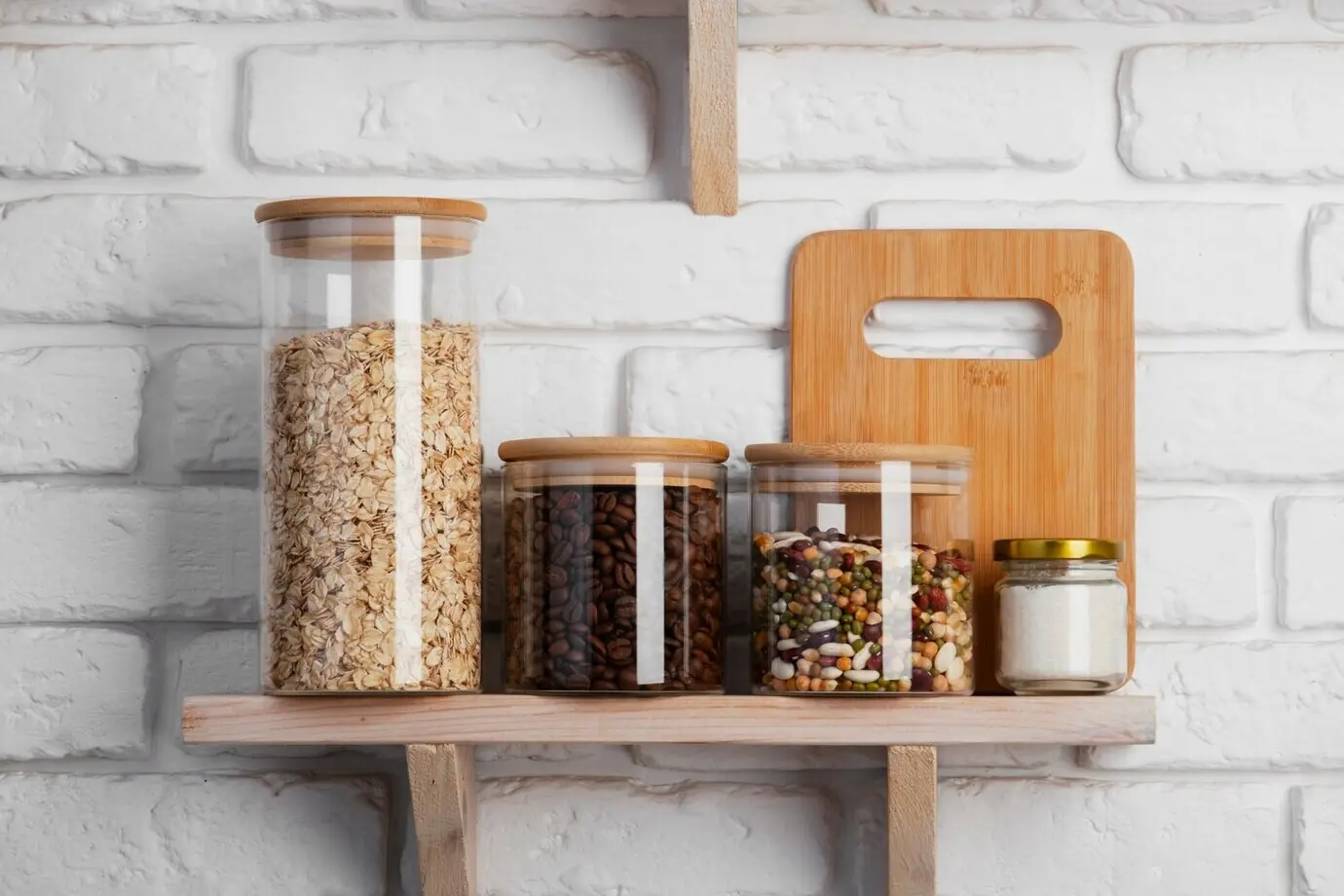
Great containers remove friction. Choose sturdy, transparent options for visibility, airtight seals for freshness, and sizes that match your refill rhythm. Those details reduce spills, preserve quality, and keep insects away. Glass and stainless steel are resilient, easy to clean, and neutral for food and household products. Keep a few small bottles for travel or lending to neighbors. When containers perform well, refilling becomes a pleasant habit rather than a chore.

Glass, Steel, and Reused Jars

Repurpose jars you love holding; that tactile pleasure matters. Glass excels for oils, grains, and spices because it is nonreactive and lets you see levels instantly. Stainless steel works for coffee, tea, and anything sensitive to light. For viscous liquids, wide mouths save you from frustration. Inspect lids for reliable seals, and choose standardized openings when possible so funnels fit across your collection, preventing awkward, risky balancing during refills.

Labels That Prevent Mistakes

Clear labeling stops mix‑ups before they start. Write product name, date, source, and any dilution ratios or allergen notes. Use waterproof pens or removable painter’s tape to avoid sticky residue. Color codes help separate food, cleaning, and personal care. Consider adding scoop sizes and cooking ratios directly on jars you reach for often. When information lives on the container, your future self avoids guesswork and your household refills confidently without constant questions.
Funnels, Scoops, and Scales

A simple toolkit transforms accuracy. Keep nested funnels for different mouth widths, a small silicone one for soaps, and a wide stainless option for grains. Dedicated scoops reduce cross‑contamination and keep hands out of containers. A compact digital scale supports consistent recipes and budgeting, letting you compare unit prices across sources. Store these tools in a visible basket so you never abandon refilling because the exact thing you need is missing.

Finding Reliable Refills

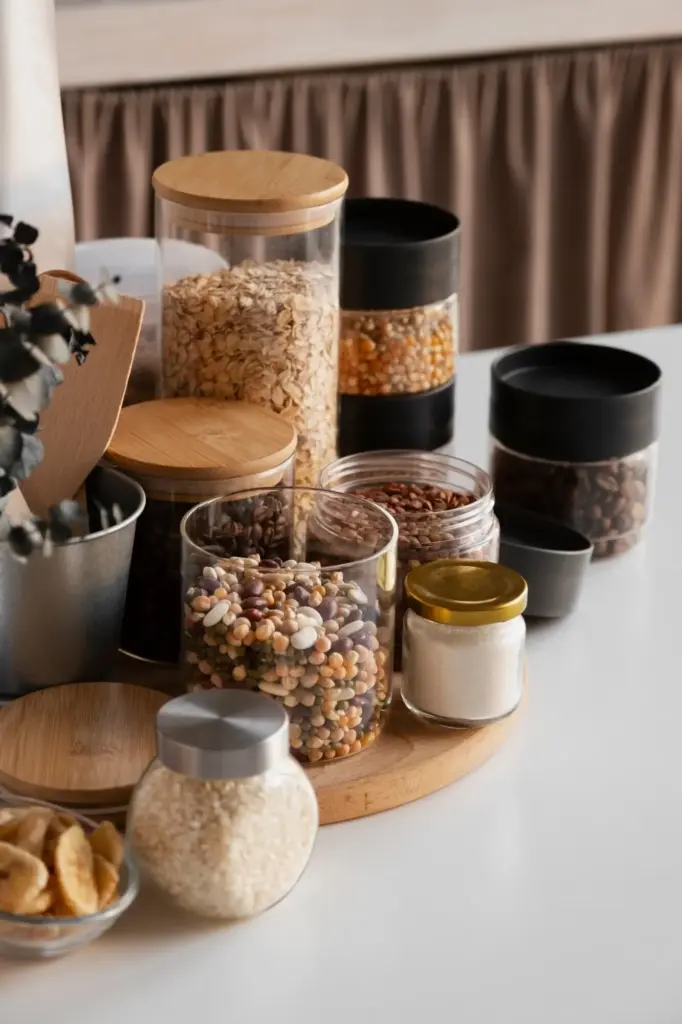
Sourcing fuels the whole station. Explore bulk stores, co‑ops, farm stands, and delivery refilleries that collect containers. Ask about ingredient transparency, fragrance policies, and allergen handling. Buying in larger formats can cut packaging dramatically, especially when suppliers offer returnable drums or deposit systems. Build a shortlist of backup options for staples. Keep refills local when possible to reduce transport impacts and to support businesses that champion reuse and community resilience.

Food and Non-Food Separation

Designate shelves or bins for pantry items and a distinct area for cleaning or personal care products. Mark tools so a scoop for baking soda never touches laundry detergent. Use color or shape to distinguish zones at a glance. Wipe surfaces between categories, and wash funnels promptly. This visual clarity reduces mistakes, reassures guests, and keeps sensitive ingredients like spices safe from fragrance residues that can cling to plastics and silicone over time.

Childproofing and Ventilation

If little hands explore, install childproof latches and place concentrated liquids up high. Choose pump tops or flip caps that minimize open exposure. Work with a window open or a fan running when decanting strong cleaners, even if plant‑based. Fragrances can overwhelm small spaces quickly. Keep a baking soda jar nearby to neutralize odors after spills. Clear, simple rules—look, sniff, ask before touching—help kids learn responsibility while protecting curiosity and safety together.

Cleaning Routines That Stick

Schedule quick maintenance: a five‑minute wipe‑down after weekend refills, a monthly deep wash of funnels, and seasonal jar audits to retire worn lids. Rotate stock first‑in, first‑out, and date everything. If a container smells off, clean with hot water, mild soap, and a vinegar rinse, then air dry completely. Consistency beats intensity. Short, predictable rituals prevent build‑up, protect flavors, and keep your station inviting, not a dreaded clutter zone you avoid.

Workflow That Saves Time

Refills succeed when friction is low and timing feels natural. Turn refilling into a weekly or biweekly ritual connected to errands you already run. Keep a short checklist, set a reminder, and pre‑weigh empties to speed tare. Build a visible inventory board so family members can help without guessing. When the process takes fewer minutes than a store dash, you will stick with it even on tired evenings and busy mornings.

Color Coding That Calms

Assign a gentle palette: warm neutrals for pantry, cool blues for cleaning, greens for personal care. Use matching dots or lid rings to reinforce categories without shouting. Visual harmony reduces cognitive load so you find items quickly and avoid crossovers. Even thrifted jars look intentional with a few repeating elements. Calm design supports calm behavior, and calm behavior keeps waste down because you choose refilling over rummaging and buying emergency replacements.

Invite the Household In

Turn the station into a shared project. Post a simple guide: where funnels live, how to tare, when to update the inventory. Assign age‑appropriate tasks so kids can refill oats or measure soap safely. Celebrate small wins—a month without buying disposable pump bottles, a pantry layered with rescued jars. When everyone participates, habits stick. Ask for ideas, adjust what is not working, and keep the tone playful rather than perfection‑focused.

Tell the Story of Your Jars

Add personality with small origin notes: “Grandma’s biscotti jar,” “Saved from office party olives,” or “Neighborhood swap treasure.” Stories transform containers into conversation starters and reminders of community. Visitors will ask, and you will get to share practical tips. Personal meaning outlasts trends, encouraging reuse even when shiny new sets tempt you. Nostalgia and pride turn simple glass into anchors for values, making daily refills feel soulful rather than dutiful.

Waste Audit Without Guilt

Place a small box labeled “avoidable packaging” and tally it weekly. You will spot patterns—snack wrappers, emergency shampoo, or certain deliveries. Replace one category at a time with realistic alternatives. Avoid all‑or‑nothing thinking; setbacks teach you where friction lives. Share progress with a friend for gentle accountability. Over months, your box shrinks, your confidence grows, and your refill station becomes a practical answer rather than an aspirational display.

Cost and Time Savings

Track per‑ounce prices and note when bulk truly beats packaged goods. Consider time saved by refilling three items in one session versus separate errands. Add small costs like labels and funnels, then compare across a season. Savings often emerge gradually as habits stabilize. Celebrate even modest wins; they compound. Post your best finds and spreadsheets to help others, and ask readers to share theirs so we crowdsource smarter, fairer, budget‑friendly refilling.
Rezoloporikufilote
Privacy Overview

This website uses cookies so that we can provide you with the best user experience possible. Cookie information is stored in your browser and performs functions such as recognising you when you return to our website and helping our team to understand which sections of the website you find most interesting and useful.